Radio Days
Radio stars have had their place on the Hollywood Walk of Fame ever since its inception, right alongside recording artists, screen legends and television icons.
Some of the leading voices from radio's golden age, in the 1930s and '40s, may have gone on to even greater fame elsewhere, such as Bob Hope and Gene Autry. But once, when radios were the hub of entertainment in nearly every household in America, shows by Hope, Jack Benny, Fred Allen, Arthur Godfrey and others were appointment listening nationwide.
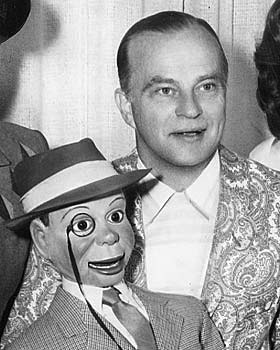
The strength of this most intimate medium wasn't just in the programs themselves — the magic came when the dramas or comedies or re-enacted sporting events melded with the imaginations of eager listeners. It's how Orson Welles and his Mercury Theater players could turn simple sound effects, voice acting and strategic use of dead air into a terrifying Martian invasion, when they, as Welles said, "annihilated the world before your very ears." It's how a radio show starring a ventriloquist and his dummy — Edgar Bergen and Charlie McCarthy — wasn't dismissed as absurd, but embraced as one of the best-loved programs in the nation. Or how two white men — Freeman Gosden and Charles Correll — speaking in broad, stereotypical dialect, could portray a pair of black friends and their entire coterie of acquaintances, and make "Amos 'n Andy" one of the longest-running shows in radio history, so popular that factories shut down early and movie theaters paused, so fans wouldn't miss the latest installment.
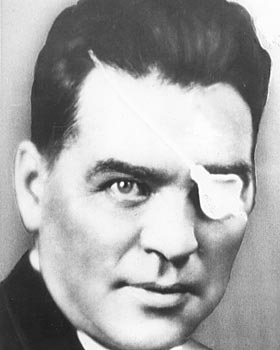
The Walk also honors others, some of whom were once household names, but now are known only to radio scholars. Lee De Forest, "the father of radio," invented a vacuum tube in 1906 that could detect and amplify radio signals, and made long-distance radio transmissions possible. Sportscaster Graham McNamee was one of broadcasting's first color commentators, and was voted America's most popular radio announcer in 1925. Floyd Gibbons lost an eye as a newspaper correspondent in World War I, then became one of the first news reporters and commentators on radio, covering crises and wars worldwide with a trademark fast-talking style that Time magazine called a "machine-gun stream of syllables."
— Steve Carney, who has written about radio for The Times since 2000.
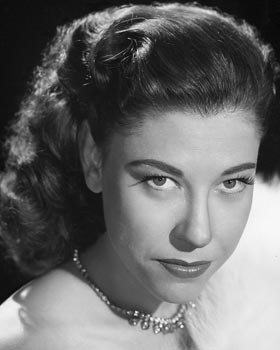
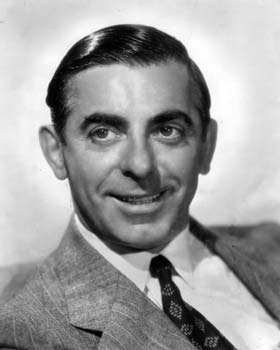
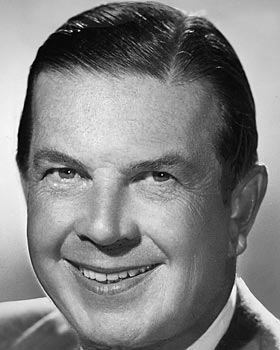
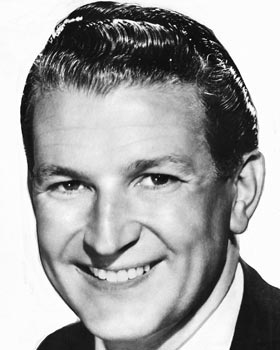
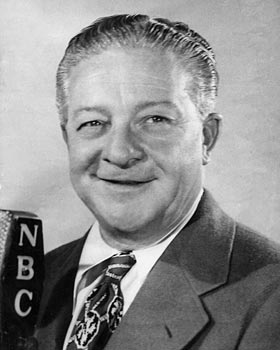
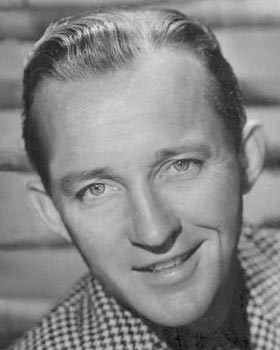
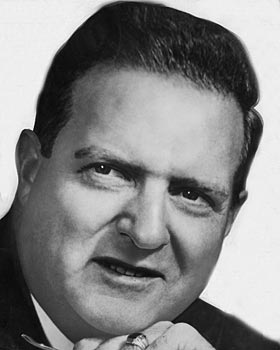
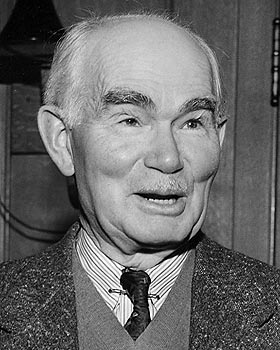
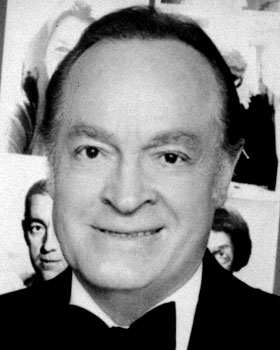
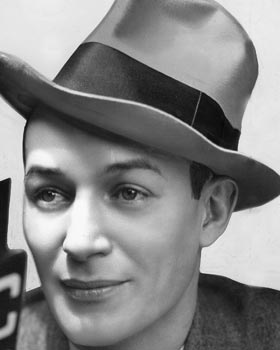
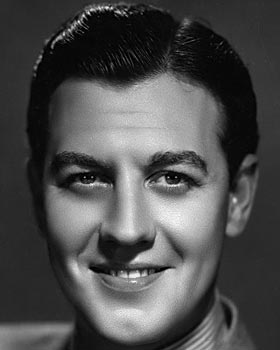
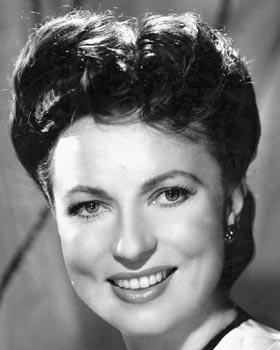
Here are some of the stars on the Walk of Fame who entertained their audiences in "the theater of the mind." If you do not see the person you are looking for below please search our complete list of the stars on the Walk of Fame. And, if you haven’t yet, check out The Times virtual tour of the stars.

Two thoughts about Radio Days
Share a thought about The Times’ “Radio Days” category